Nelson Mandela Biography Journey, Struggle and Legacy
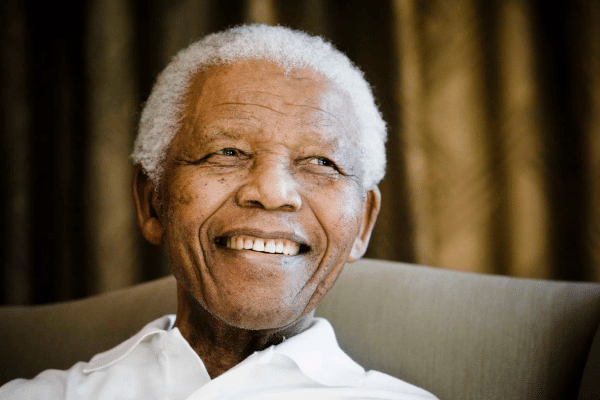
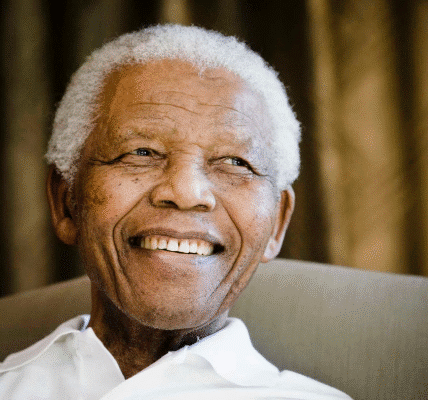
The story of the Nelson Mandela biography is one of courage, sacrifice, and transformation. From a rural village in South Africa to becoming the nation’s first Black president, his life reshaped history. He led the struggle against apartheid, endured 27 years in prison, and emerged not with bitterness but with a message of peace and reconciliation. His journey is not just about politics. It is about resilience, justice, and leadership in the face of injustice. This detailed account explores his early life, activism, imprisonment, presidency, and lasting global legacy.
Early Life and Education
Born on July 18, 1918, in Mvezo, a small village in South Africa’s Eastern Cape, he belonged to the Madiba clan of the Xhosa-speaking Tembu people. His father, Chief Henry Mandela, was a local leader. After his father’s death, he was raised by the regent Jongintaba Dalindyebo.
As a young boy, he learned about African history, leadership, and community responsibility. These early lessons shaped his sense of justice. He attended the University of Fort Hare and later studied law at the University of the Witwatersrand in Johannesburg. In 1944, he joined the African National Congress (ANC), marking the beginning of his political journey.
Rise in the Anti-Apartheid Movement
Apartheid was a system of racial segregation introduced by South Africa’s National Party in 1948. It enforced strict racial divisions and denied basic rights to nonwhite citizens.
He quickly became active in the ANC Youth League, believing in mass action and peaceful resistance. In 1952, he and Oliver Tambo established South Africa’s first Black law firm in Johannesburg, defending people charged under discriminatory laws. In 1955, he helped draft the Freedom Charter, which called for equal rights and democracy in South Africa.
However, peaceful protests often met with violent state responses. After the Sharpeville massacre in 1960, where police killed unarmed protesters, he concluded that armed resistance had become unavoidable. He co-founded Umkhonto we Sizwe, the armed wing of the ANC. His activities forced him underground, and authorities nicknamed him the “Black Pimpernel” for evading capture for months.
Arrest and the Rivonia Trial
In 1962, he was arrested and sentenced to five years in prison. In 1963, he faced new charges during the historic Rivonia Trial. During the trial, he delivered his famous speech declaring:
“I have cherished the ideal of a democratic and free society… It is an ideal for which I am prepared to die.”
In 1964, he was sentenced to life imprisonment.
Life at Robben Island Prison
He spent 18 of his 27 prison years at Robben Island Prison. Conditions were harsh; prisoners performed hard labor in a limestone quarry and had limited food and restricted communication. Prison number 46664 later became symbolic in global HIV/AIDS campaigns.
Despite the conditions, he became a symbol of resistance. He studied Afrikaans to understand his captors and encouraged fellow prisoners to pursue education. Over time, even prison guards respected him. His imprisonment drew global attention. The “Free Nelson Mandela” campaign spread worldwide, and economic sanctions and international pressure mounted against South Africa’s apartheid regime.
Release and Negotiations to End Apartheid
On February 11, 1990, he walked free after 27 years in prison, following negotiations with President F.W. de Klerk. Rather than seek revenge, he called for reconciliation, believing South Africa could only move forward through unity. In 1993, he and de Klerk jointly received the Nobel Peace Prize for their efforts to peacefully dismantle apartheid.
Nelson Mandela Presidency and Nation Building
In April 1994, South Africa held its first democratic elections. Millions voted for the first time, and the ANC won. He became president on May 10, 1994, focusing on reconciliation and rebuilding.
Truth and Reconciliation Commission
In 1995, he established the Truth and Reconciliation Commission (TRC) to investigate human rights abuses committed during apartheid. Rather than seeking revenge, the TRC promoted truth and healing.
Social and Economic Reforms
Programs were introduced to improve housing, education, and healthcare. His government worked to reduce inequality and unite a divided nation. He served one term and stepped down in 1999, strengthening South Africa’s democracy through a peaceful transfer of power.
Personal Life and Relationships
He married three times: first to Evelyn Ntoko Mase, then Winnie Madikizela-Mandela, and finally Graça Machel in 1998. Family life was deeply affected by long imprisonment, but he remained committed to public service.
Nelson Mandela Quotes That Inspire the World
His words continue to inspire millions:
• “It always seems impossible until it’s done.”
• “Real leaders must be ready to sacrifice all for the freedom of their people.”
• “Do not judge me by my successes, judge me by how many times I fell down and got back up again.”
• “A critical, independent and investigative press is the lifeblood of any democracy.”
Retirement and Global Influence
After leaving office, he retired from active politics but remained influential, establishing the Nelson Mandela Foundation to promote social justice. In 2009, the UN declared July 18 as Mandela International Day. People worldwide perform 67 minutes of community service to honor his 67 years of public service. He passed away on December 5, 2013, in Johannesburg, with tributes pouring in globally.
UNESCO Recognition of Legacy
In 2024, 14 sites connected to his life and South Africa’s struggle for freedom were designated UNESCO World Heritage sites, including the Great Place at Mqhekezweni and locations linked to the Sharpeville massacre and Soweto Uprising. This recognition highlights his global historical importance.
Leadership Lessons
- Forgiveness Is Powerful – He chose reconciliation over revenge, preventing civil war.
- Education Empowers – He believed education is the most powerful weapon for change.
- Lead by Example – Serving only one term showed commitment to democracy.
- Stay Resilient – Even after 27 years in prison, he emerged stronger and united a nation.
Why Nelson Mandela Biography Still Matters Today
The biography remains relevant in today’s world. Issues of racial justice, equality, and human rights continue globally. His life teaches that change is possible through courage and persistence. His leadership combined strength with humility, respect for opponents, and belief in shared humanity.
Conclusion
The Nelson Mandela biography tells the story of a leader who transformed pain into progress. From early activism and long imprisonment to a historic presidency, he showed that justice and reconciliation can coexist. His life proves that true leadership requires sacrifice, resilience, and compassion. More than a political figure, he became a symbol of human dignity. Reflecting on his story reminds us that freedom demands courage, unity, and unwavering belief in equality. His legacy will continue to inspire generations to stand for justice and build a more peaceful world.
For Government biography information: https://elite-voices.com/category/government/