LVMH Multi-Brand Strategy: Driving Sustainable Growth in Global Luxury
Introduction
Luxury is an industry built on exclusivity, heritage, and craftsmanship. Scaling such an industry without diluting brand value is one of the greatest challenges in business. LVMH (Moët Hennessy Louis Vuitton) has solved this challenge by building the world’s most powerful luxury conglomerate through a disciplined multi-brand strategy.
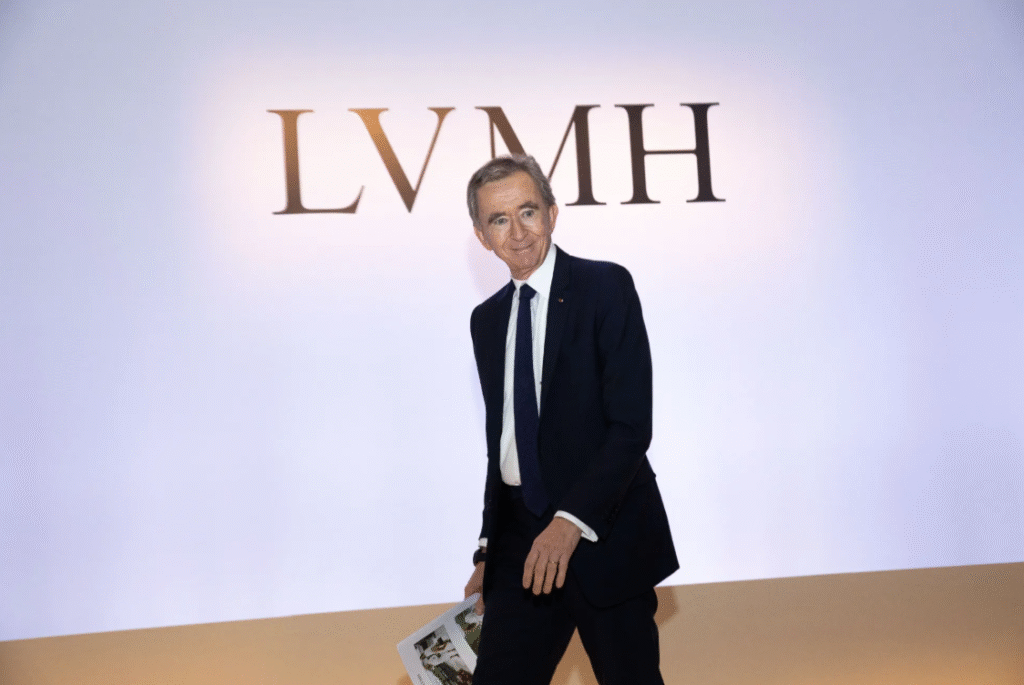
With over 75 prestigious brands across fashion, jewelry, wines, spirits, and cosmetics, LVMH demonstrates how strategic diversification can drive sustainable growth while preserving brand identity. This article explores how the LVMH multi-brand strategy redefined luxury business at a global scale.
Understanding LVMH’s Multi-Brand Model
Unlike single-brand luxury houses, LVMH operates as a portfolio of independent maisons. Each brand maintains its own creative direction, heritage, and leadership while benefiting from the group’s financial strength and global infrastructure.
This structure allows LVMH to:
- Reduce reliance on a single revenue stream
- Capture multiple luxury segments
- Balance creative freedom with operational discipline
Business insight:
Diversification without standardization is the core strength of LVMH’s model.
Preserving Brand Autonomy and Identity
One of the biggest risks in luxury conglomerates is brand dilution. LVMH addresses this by granting significant autonomy to each maison.
Key practices include:
- Independent creative directors
- Distinct brand storytelling
- Customized retail and marketing strategies
This ensures that Louis Vuitton, Dior, Tiffany & Co., and Bulgari feel unique—despite being part of the same group.
Strategic Acquisitions as a Growth Engine
LVMH’s growth has been fueled by carefully selected acquisitions. Rather than buying struggling brands, LVMH targets maisons with strong heritage and untapped potential.
Successful acquisitions include:
- Dior
- Fendi
- Tiffany & Co.
- Bulgari
Once acquired, LVMH invests in craftsmanship, distribution, and brand positioning—unlocking long-term value.
Operational Synergies Without Creative Compromise
While brands remain creatively independent, LVMH centralizes back-end operations to improve efficiency.
Shared advantages include:
- Global supply chain management
- Real estate expertise for flagship locations
- Financial discipline and risk management
This combination allows LVMH to scale profitably while maintaining luxury standards.
Geographic Diversification and Market Resilience
LVMH’s multi-brand structure provides strong geographic resilience. When one region experiences economic slowdown, growth in other markets balances performance.
Key global strengths:
- Strong presence in Asia
- Established European heritage markets
- Expanding footprint in North America
Strategic outcome:
LVMH remains resilient across economic cycles.
Innovation Within a Traditional Industry
Despite operating in a heritage-driven sector, LVMH actively invests in innovation.
Innovation initiatives include:
- Digital retail experiences
- Sustainability and ethical sourcing
- Investments in luxury-focused startups
By blending tradition with innovation, LVMH future-proofs its brand portfolio.
LVMH vs Single-Brand Luxury Companies
Single-brand luxury companies often face growth limitations due to market saturation. LVMH overcomes this by expanding horizontally across categories.
| Single-Brand Model | LVMH Multi-Brand Model |
|---|---|
| Growth tied to one brand | Diversified growth engine |
| Higher risk exposure | Risk spread across maisons |
| Limited category reach | Multi-category dominance |
This strategic contrast explains LVMH’s sustained leadership.
Why LVMH’s Strategy Drives Sustainable Growth
Sustainability in luxury is not only environmental—it is economic and cultural. LVMH’s approach ensures:
- Long-term brand relevance
- Stable cash flow
- Generational customer loyalty
By respecting heritage while scaling intelligently, LVMH has created a luxury ecosystem that endures.
Conclusion
The LVMH multi-brand strategy proves that luxury and scale are not mutually exclusive. Through disciplined acquisitions, brand autonomy, and operational synergy, LVMH has built a business model that delivers sustainable growth without sacrificing exclusivity.
For business leaders, LVMH stands as a benchmark in strategic diversification—showing how thoughtful structure and long-term vision can redefine an industry.