Xi Jinping Biography and Leadership Journey of China President
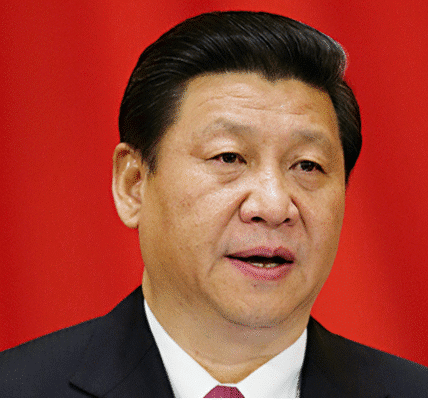
Xi Jinping biography reveals the life story of one of the most powerful leaders in modern history. Born on June 15, 1953, in Beijing, China, Xi rose from humble beginnings to become the president of the People’s Republic of China and general secretary of the Chinese Communist Party (CCP). This article explores his early life, political rise, leadership style, and major achievements. If you want to understand how Xi Jinping shaped modern China, keep reading.
Xi Jinping Early Life and Background
A Childhood Defined by Change of Xi Jinping
Xi Jinping was born into a politically influential family in Beijing. His father, Xi Zhongxun, was a prominent revolutionary and deputy prime minister of China. Despite his status, Xi Zhongxun faced political setbacks, especially during the Cultural Revolution (1966–1976), which also deeply affected young Xi’s life.
In 1969, at the age of 16, Xi was sent to work on a rural farm in Shaanxi province. This experience of working with farmers had a lasting impact on him and helped shape his understanding of China beyond the capital’s elite circles.
Education and Early Career
Joining the Communist Party of Xi Jinping
In 1974, Xi officially became a member of the Chinese Communist Party. One year later, he began his studies at the prestigious Tsinghua University in Beijing, where he majored in chemical engineering. After graduating, Xi served as secretary to senior government official Geng Biao, gaining valuable insight into national governance.
Rising Through Political Ranks
Local and Regional Leadership Roles
Xi Jinping’s early political career focused on provincial leadership. In the 1980s and 1990s, he held important posts in provinces like Hebei, Fujian, and Zhejiang. His work in these regions included:
- Supporting economic development
- Strengthening party governance
- Promoting environmental improvements
In 2007, Xi became party secretary of Shanghai during a time of political scandal a role that increased his national visibility.
Becoming China’s Top Leader
Vice President to President
Xi’s ascent continued rapidly in national politics:
- 2008: Elected vice president of China
- 2010: Named vice chairman of the Central Military Commission
- 2012: Joined the CCP Politburo Standing Committee
- 2013: Elected president of China
His leadership combined firm political control with ambitious national goals.
Leadership Style and Initiatives
Anti‑Corruption Campaign
One of Xi Jinping’s most notable early actions as president was launching a nationwide anti‑corruption campaign. This effort resulted in the investigation and punishment of both high‑level (“tigers”) and lower‑level (“flies”) officials, helping to strengthen his reputation for discipline and reform.
Global Influence and Development Projects
Under Xi’s leadership, China moved to strengthen its global position through large‑scale initiatives such as the Belt and Road Initiative, which focuses on expanding trade and infrastructure networks across Asia, Africa, and Europe.
Consolidation of Power
Changes to China’s Political Structure
Xi gradually consolidated power by:
- Removing presidential term limits in 2018
- Adding “Xi Jinping Thought” to the party constitution
- Winning a historic third term as president
These moves ensured Xi’s leadership would extend beyond traditional limits and shaped China’s political future.
Legacy and Impact
Xi Jinping’s leadership has transformed China’s domestic and global roles. His policies, leadership style, and reforms continue to influence the world’s second‑largest economy. Whether viewed as a reformer or a strong central figure, Xi’s impact is undeniable.
Conclusion
The Xi Jinping biography highlights a remarkable journey from rural laborer to China’s most powerful leader. His leadership reshaped China politically, economically, and on the world stage. Learning about his life helps explain the modern direction of Chinese governance today.