Andy Jassy Biography and Career Growth Amazon CEO Success
Introduction
The Andy Jassy biography and career story is one of the most compelling leadership journeys in modern business history. From his early days in Scarsdale, New York to leading Amazon as CEO, Jassy’s rise reflects innovation, strategic thinking, and deep operational discipline. In this comprehensive and human‑readable article, we explore his life, key career milestones, leadership style, major achievements, challenges he faced while heading Amazon Web Services (AWS), and his current role steering Amazon through rapid industry change and growth. This detailed profile is tailored to help you understand what makes Andy Jassy one of the most influential executives in technology today.
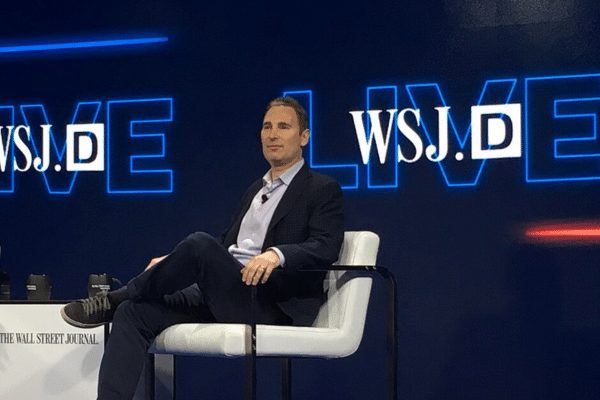
Who Is Andy Jassy – Quick Facts
Before diving into the full biography, here are the essential details readers often search for:
| Fact | Details |
| Full Name | Andrew R. Jassy |
| Date of Birth | January 13, 1968 |
| Place of Birth | Scarsdale, New York, USA |
| Education | Harvard University BA, Harvard Business School MBA |
| Current Role | President and CEO of Amazon |
| Former Role | CEO of Amazon Web Services |
| Known For | Leading AWS growth, tech leadership |
| Net Worth (Estimated) | ~$400 million |
Early Life and Influences
Childhood and Family Background
Andy Jassy grew up in Scarsdale, New York, a community known for academic excellence and achievement. His early life played a significant role in shaping his values and ambitions. Jassy’s father, Everett L. Jassy, was a corporate lawyer, exposing Andy early on to high‑level business concepts. His mother, Margery, was actively involved in the community and helped nurture a supportive family environment.
Growing up Jewish in an achievement‑oriented suburb, Jassy was surrounded by opportunities and high academic expectations. These early influences helped build his competitive spirit and long‑term mindset.
Education and Formative Years
Harvard University and Early Academic Life
After high school, Andy Jassy enrolled at Harvard University, earning a Bachelor of Arts in Government. While studying a non‑technical subject, he developed skills in analysis, communication, and strategic thinking that would later prove vital in business leadership.
At Harvard, Jassy also worked at the student newspaper, gaining early experience in media and collaborative environments.
Harvard Business School and Career Decision
Following his undergraduate degree, Jassy chose to gain real‑world experience before further study. He worked in marketing, project management, and consulting roles. Later, he returned to Harvard to pursue an MBA at the prestigious Harvard Business School. Here, Jassy not only sharpened his business skills but also met his future wife, Elana Rochelle Caplan.
Joining Amazon: The Early Career (1997–2003)
When Andy Jassy joined Amazon.com after his MBA in 1997, the company was still young — barely a few years removed from its public offering. With annual revenues around $150 million and a team of just hundreds, Amazon was beginning its transformation from online bookstore to e‑commerce innovator.
Early Roles and Leadership Exposure
At Amazon, Jassy quickly stepped into roles with increasing responsibility:
- Marketing Manager — introducing strategies to grow Amazon’s early customer base.
- Shadow Advisor to Jeff Bezos — a role that put him close to the CEO, allowing him to observe strategic decision‑making firsthand.
- Strategic & Operational Positions — building skills across teams focused on retail operations, customer experience, and business processes.
This period was formative. As Amazon faced the dot‑com crash and rapid expansion challenges, Jassy developed resilience, adaptability, and long‑term vision.
The Birth of AWS (2003–2006)
Why AWS Was Created
In the early 2000s, Amazon’s internal tech teams faced recurring challenges. Different business units built their own computing systems from scratch, leading to inefficiencies.
Jassy recognized that:
- Amazon was spending too much time rebuilding standard infrastructure.
- Other companies likely faced similar struggles.
- A scalable, shared service offered externally could revolutionize how companies managed tech infrastructure.
He wrote the initial business plan and pitched a radical idea — let Amazon rent computing resources online, billed only for what users consumed.
What AWS Stands For
Amazon Web Services (AWS) was founded to deliver cloud computing services, including:
- S3 (Simple Storage Service)
- EC2 (Elastic Compute Cloud)
- Databases, Networking, Storage, and More
AWS started as a way to solve Amazon’s own challenges — but it rapidly became a business of its own.
Leadership of AWS: Growth and Innovation (2006–2021)
AWS Launch and Market Adoption
AWS officially launched in 2006 with its core services. It didn’t explode immediately, but it steadily gained adoption among startups, enterprises, and government agencies.
Under Jassy’s leadership, AWS:
- Created a pay‑as‑you‑go cloud model
- Enabled startups to innovate without large infrastructure costs
- Provided enterprise‑grade tools that matched on‑premise systems
AWS Achievements and Market Position
Over the next decade, AWS grew into the most influential cloud platform on Earth:
- Consistent revenue growth year after year
- Became Amazon’s primary profit driver
- Built global infrastructure across regions and availability zones
- Supported major companies like Netflix, Airbnb, Zoom, and Spotify
AWS innovations under Jassy also included new technologies like serverless computing (Lambda), machine learning tools, and hybrid cloud systems.
Becoming Amazon CEO
Transition from AWS to CEO (2021)
In 2021, Amazon announced that Andy Jassy would succeed Jeff Bezos as CEO. Bezos transitioned to Executive Chairman, while Jassy took charge of the world’s second‑largest company.
Key reasons for Jassy’s appointment included:
- Proven growth strategy at AWS
- Deep understanding of Amazon’s core values and leadership principles
- Strategic vision that extended beyond cloud computing
Early Focus as CEO
As Amazon CEO, Jassy’s priorities included:
- Operational efficiency
- Cost reduction
- Maintaining AWS profitability
- Expanding advertising and media businesses
- Navigating regulatory scrutiny
These decisions sometimes created internal debate, but they reflected a balance between short‑term business realities and long‑term planning.
Challenges and Strategic Decisions
Workforce Restructuring and Efficiency Measures
During economic shifts, Amazon implemented major workforce changes under Jassy’s leadership, including layoffs and consolidation of teams. These moves aimed to streamline operations and maintain profitability amid slowing growth.
Return to Office Policy
Jassy also implemented policies requiring more office presence, signaling a shift in Amazon’s work culture after years of remote flexibility. This decision sparked discussions on work‑life balance and productivity.
Regulatory and Labor Challenges
Amazon under Jassy has:
- Faced antitrust scrutiny from U.S. regulators
- Navigated international competition and privacy laws
- Engaged with labor organizing efforts across warehouses
These represent ongoing pressures for one of the world’s largest employers and digital platforms.
Andy Jassy’s Leadership Style
Focus on Innovation
Jassy emphasizes:
- Building scalable systems
- Experimentation with new technologies
- Customer‑centric design
His leadership mirrors Amazon’s early startup mindset — iterate quickly, learn from data, and optimize continuously.
Operational Discipline
Unlike some tech CEOs who focus on brand or media presence, Jassy is known for:
- Analytical decision‑making
- Deep technical understanding
- Data‑driven strategy
This approach has shaped Amazon’s evolution from product retailer to diversified tech leader.
Personal Life and Interests
Family and Privacy
Andy Jassy married Elana Rochelle Caplan in 1997. They have two children but maintain a private lifestyle. The family lives in the Seattle area.
Passion for Music
One well‑known personal trait is Jassy’s love of music. He frequently appears at AWS events wearing band t‑shirts featuring classic rock and alternative artists — a cultural touchpoint that sets him apart from typical corporate CEOs.
Legacy and Impact
Contribution to Cloud Computing
Perhaps Jassy’s most significant influence is how he helped shape cloud computing into a foundational technology for the internet age.
AWS transformed:
- Startup economics
- Enterprise software delivery
- Data and compute access globally
Impact on Amazon’s Culture
Jassy carries forward Amazon’s leadership principles, emphasizing:
- Customer obsession
- Long‑term thinking
- Frugality and operational mastery
These values continue to define Amazon’s competitive edge.
Conclusion
The Andy Jassy biography and career showcases an exceptional journey from a strategic thinker at Amazon to the CEO of one of the world’s most influential companies. His contributions to cloud computing through AWS forever changed how businesses operate, innovate, and scale. As Amazon’s CEO, Jassy continues balancing innovation with practicality, driving growth while navigating complexity.
Whether you’re researching business leadership, cloud computing history, or executive strategy, Jassy’s life and work provide valuable lessons on resilience, vision, and disciplined execution in the world of global tech.