Colosseum, Rome, Italy: The Timeless Symbol of Ancient Roman Power
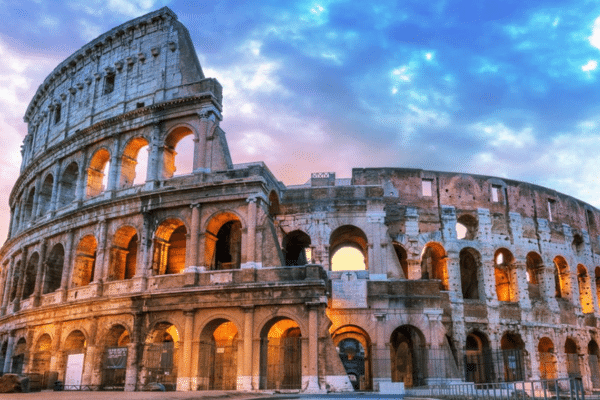
The Colosseum Rome Italy stands as one of the most iconic monuments in world history. Located in the heart of Rome, this ancient amphitheater represents the architectural brilliance, political power, and social life of the Roman Empire. Today, it remains a global travel landmark and a symbol of Italy’s cultural heritage.
Historical Origins
Construction of the Colosseum began in 72 AD under Emperor Vespasian of the Flavian dynasty. It was completed in 80 AD during the reign of Emperor Titus. The structure was originally known as the Flavian Amphitheatre.
Built using stone, concrete, and sand, the Colosseum showcased Rome’s advanced engineering skills. It could hold more than 50,000 spectators, making it the largest amphitheater of the ancient world.
Purpose and Roman Society
The Colosseum hosted public spectacles that played a central role in Roman life. These included:
- Gladiator battles
- Animal hunts
- Public executions
- Reenactments of famous battles
These events were used to entertain citizens and demonstrate imperial authority. Attendance was often free, reinforcing loyalty to Roman rulers.
Architectural Significance
The Colosseum Rome Italy features a complex system of arches, vaults, and corridors. Its elliptical design allowed efficient crowd movement and clear views from all seating levels.
Key architectural highlights include:
- Multi-level seating based on social status
- Underground chambers known as the hypogeum
- Advanced crowd management systems
These innovations influenced stadium design for centuries.
Decline and Preservation
After the fall of the Roman Empire, the Colosseum suffered damage from earthquakes and stone removal. Over time, parts of the structure collapsed or were repurposed for other buildings.
In the modern era, preservation efforts began to protect the monument. Restoration projects continue today under Italian heritage authorities.
Modern Cultural Importance
The Colosseum is now a UNESCO World Heritage Site and one of the New Seven Wonders of the World. It attracts millions of visitors each year and plays a vital role in Italy’s tourism economy.
Beyond tourism, the Colosseum symbolizes:
- The rise and fall of empires
- Human history and resilience
- Cultural preservation
It is also used as a global symbol against capital punishment during awareness campaigns.
Travel and Global Recognition
As a leading travel destination, the Colosseum Rome Italy remains central to Rome’s identity. It connects modern travelers with ancient civilization and offers insight into Europe’s historical foundations.
Legacy
The Colosseum’s legacy extends far beyond Italy. It stands as a reminder of architectural ambition, social complexity, and historical continuity. For travelers, historians, and global audiences, it remains one of the most powerful monuments ever built.